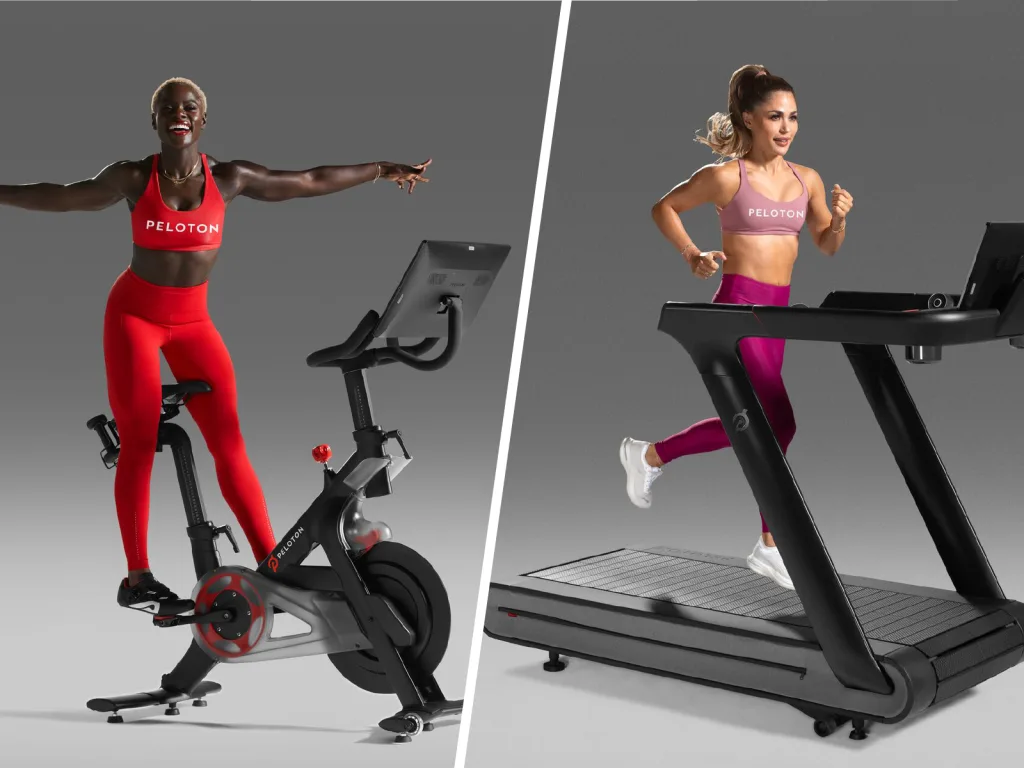
🏋️♀️ Introduction: Why Bikes and Treadmills Are the Best Fitness Machines
If you’ve ever set foot in a gym, you’ve likely seen rows of exercise bikes and treadmills — and for good reason. These two machines are fitness essentials for anyone aiming to burn calories, build endurance, or improve cardiovascular health.
However, many people use them incorrectly, which can lead to injuries, poor results, and even demotivation. In this guide, you’ll learn how to use bikes and treadmills the right way, with expert-backed tips to help you train smarter, not harder.
🚴♂️ 1. Set the Right Bike and Treadmill Settings Before You Start
The biggest mistake most people make is jumping right into their workout without adjusting their equipment.
For Bikes:
-
Adjust your seat height so your legs extend comfortably without locking your knees.
-
Keep your back straight and core engaged while pedaling.
-
Maintain moderate resistance to challenge your muscles without strain.
For Treadmills:
-
Set the incline between 1–2% to simulate outdoor walking or running.
-
Keep your speed manageable and focus on consistent breathing.
👉 Pro Tip: Warm up for 5 minutes before increasing intensity to prevent muscle stiffness.
Learn how to Take Your Workout Routine to the Next Level with smart training techniques.
🧠 2. Maintain Proper Posture to Prevent Injury
Whether you’re cycling or running, posture is everything. Slouching or leaning too far forward can lead to neck, back, or knee pain.
On a Bike:
-
Keep your shoulders relaxed.
-
Avoid hunching over the handlebars.
-
Engage your core to maintain stability.
On a Treadmill:
-
Stand tall and look straight ahead, not at your feet.
-
Keep your shoulders back and arms relaxed.
-
Land midfoot (not heel-first) to reduce impact on your joints.
Read Excessive Exercise Could Do You a Lot of Damage to understand how posture and balance protect your body.
⏱️ 3. Follow the Right Duration and Intensity
The key to progress is consistency and balance. Overdoing your workouts can cause fatigue, while under-training limits results.
For Beginners:
-
Bike: 20–30 minutes, 4–5 times a week
-
Treadmill: 20–25 minutes of brisk walking or light jogging
For Intermediate to Advanced:
-
Bike: 40–60 minutes with variable resistance
-
Treadmill: 30–45 minutes including incline intervals
Mix steady-state cardio with high-intensity interval training (HIIT) for best fat-burning results.
💧 4. Stay Hydrated and Take Breaks
Hydration plays a major role in your workout performance. Losing even 2% of your body’s water can cause fatigue and dizziness.
Tips:
-
Drink water before, during, and after workouts.
-
Avoid sugary energy drinks.
-
If sweating heavily, sip electrolyte water.
Check out 15 Perfect Meals for Your Weight Loss Diet Plan to fuel your cardio sessions with the right nutrients.
🦵 5. Combine Cardio with Strength Training
While bikes and treadmills are excellent for cardiovascular fitness, they work best when paired with strength training. This helps improve muscle tone, endurance, and fat metabolism.
Example Routine:
-
Warm-up: 5 min on treadmill
-
Workout: 20 min cycling + 20 min strength training
-
Cool-down: 5 min walk or light pedaling
Read The Ultimate Exercises to Improve Back Muscles to balance your cardio with muscle training.
🧍♂️ 6. Use Interval Training for Faster Fat Burn
If your goal is fat loss, try alternating between high and low intensity — known as HIIT (High-Intensity Interval Training).
Treadmill HIIT Example:
-
1 min sprint + 2 min walk × 6 rounds
Bike HIIT Example:
-
30 sec fast pedal + 1 min slow pedal × 10 rounds
This style of training helps you burn calories even after your workout, thanks to the afterburn effect.
Learn more about effective routines in Workouts You Should Try for Burning Fat.
⚖️ 7. Balance Speed and Resistance
Don’t rely on just speed; resistance and incline play a major role in improving strength and endurance.
For Bikes:
Increase resistance every 5–10 minutes to engage your quads and glutes.
For Treadmills:
Use incline settings between 3–7% to challenge your core and legs without running faster.
🕒 8. Don’t Skip Warm-Up and Cool-Down
A 5-minute warm-up prepares your body, while a 5-minute cool-down helps reduce soreness and improve recovery.
Warm-Up Example:
-
Slow walking or light pedaling
Cool-Down Example:
-
Slow jog or gentle cycling
-
Stretch your hamstrings, quads, and shoulders
Read Three Easy Moves to Do for a Better Workout for simple warm-up ideas.
🧘 9. Listen to Your Body
If you feel pain or excessive fatigue, stop immediately. It’s crucial to differentiate between good muscle burn and bad pain.
Take rest days between intense workouts to allow your muscles to repair and grow stronger.
Learn How to Burn Calories with Simple Home Exercises for low-impact alternatives.
🌿 10. Track Progress and Stay Consistent
Monitor your performance weekly — track distance, duration, and calories burned. Adjust your settings gradually for steady improvement.
Tip: Use smartwatches or fitness apps to track heart rate and progress accurately.
Remember: Results take time. Stay consistent, enjoy your sessions, and celebrate small milestones.
🔑 Key Benefits of Using Bikes and Treadmills
-
Boosts stamina and endurance
-
Strengthens your heart and lungs
-
Aids in fat loss and muscle tone
-
Improves mental clarity and mood
-
Increases flexibility and balance
Discover The Power of Yoga Exercises Will Help You Focus to complement your cardio with mindfulness.