

💪 Introduction: Cardio – The Key to Fat-Burning Success
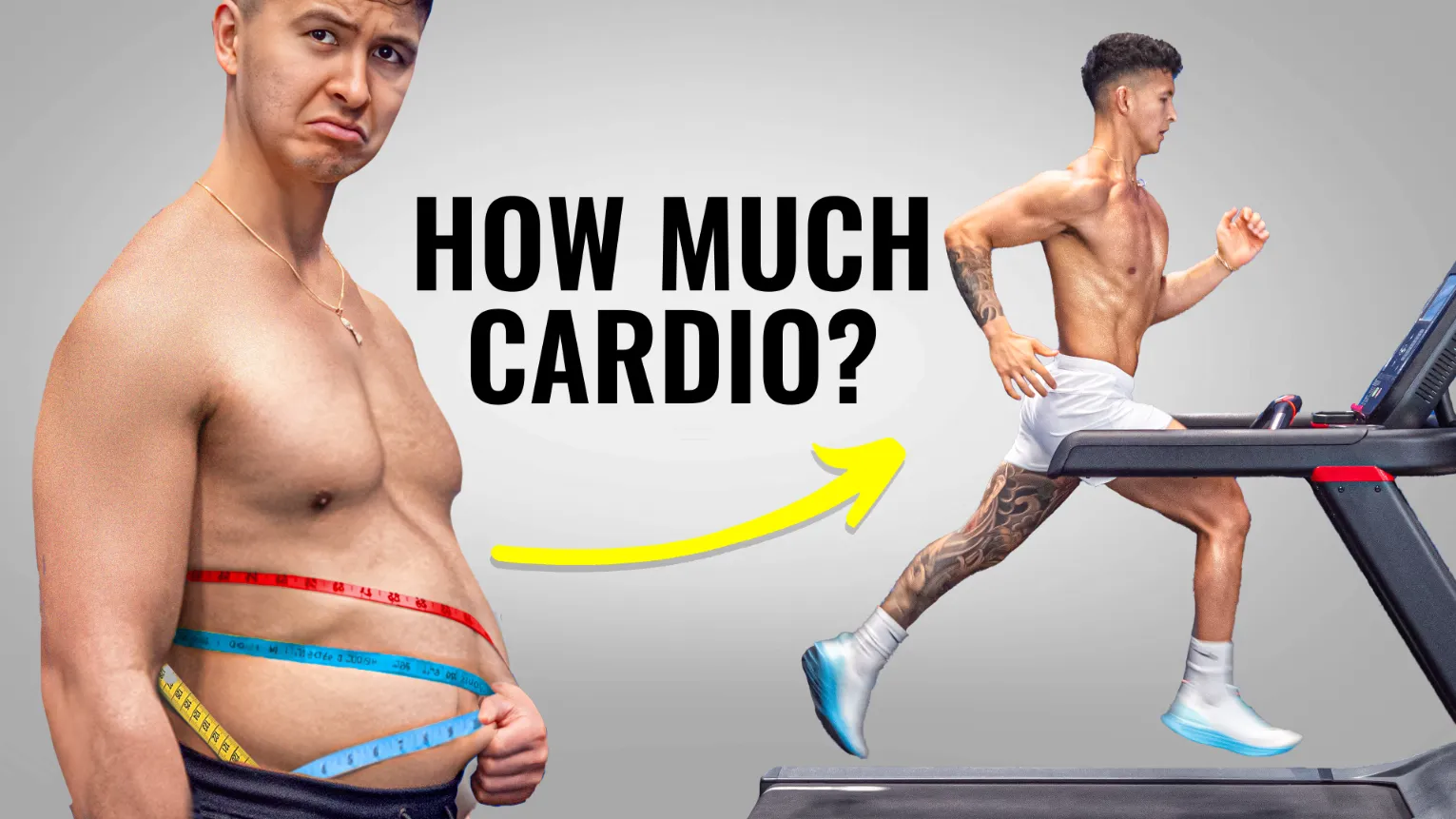
Cardio exercises are often considered the best way to burn fat and lose weight — but how much cardio is really enough? Do you need hours on the treadmill, or can shorter, smarter sessions deliver the same results?
The truth is: fat burning depends on duration, intensity, and consistency, not just how long you spend doing cardio. In this blog, we’ll break down exactly how much cardio you need for fat loss — based on science and practical fitness tips.
👉 Also Read: Lose Some Weight Working These Dumbbell Exercises
🏋️ 1️⃣ What Exactly Is Cardio?
Cardio (short for cardiovascular exercise) involves activities that raise your heart rate and increase oxygen flow throughout the body. It helps your body use fat as fuel, improving endurance and overall heart health.
Popular cardio workouts include:
-
Running or jogging
-
Cycling (outdoor or stationary)
-
Jump rope
-
Swimming
-
High-Intensity Interval Training (HIIT)
👉 Related Post: Important Tips: How to Use Bikes and Treadmills
🔥 2️⃣ The Science Behind Fat Burning
Your body primarily burns carbohydrates and fats for energy. At low-to-moderate intensity levels, your body relies more on stored fat for fuel.
However, the key to consistent fat loss lies in calorie deficit — burning more calories than you consume.
💡 Fact: You need to burn roughly 3,500 calories to lose one pound (0.45 kg) of fat.
So, the goal is to combine cardio + strength training + smart nutrition to create a sustainable deficit.
👉 Internal Link: Nutrition Rules to Get Stronger and Build Muscle
🕒 3️⃣ How Much Cardio Is Enough to Burn Fat?
According to the American Heart Association, adults should aim for at least:
-
150 minutes of moderate cardio per week
or -
75 minutes of vigorous cardio per week
That means:
-
30 minutes a day, 5 days a week (moderate)
-
25 minutes a day, 3 days a week (intense workouts)
If your goal is fat loss, combine cardio + resistance training for faster results.
⚖️ 4️⃣ Cardio for Weight Loss: Finding the Sweet Spot
While cardio burns calories, overdoing it can lead to fatigue or muscle loss.
Ideal cardio routine for fat loss:
-
3–5 days a week
-
30–45 minutes per session
-
Mix steady-state cardio with interval training
🔥 Example:
-
2 days brisk walking or cycling (steady pace)
-
2 days HIIT (short bursts of high intensity + rest periods)
👉 Also Read: Daily Workouts Help You Cope Better with Stress
🧠 5️⃣ HIIT vs. LISS – Which Is Better for Fat Burning?
There are two main types of cardio:
HIIT (High-Intensity Interval Training):
Short, explosive workouts alternating between high effort and rest.
✅ Burns fat quickly
✅ Saves time
✅ Boosts metabolism post-workout (afterburn effect)
LISS (Low-Intensity Steady-State):
Consistent, slower cardio such as walking, cycling, or swimming.
✅ Easy on joints
✅ Great for beginners
✅ Sustainable long term
Best Strategy: Mix both HIIT and LISS throughout the week for optimal fat loss.
👉 Internal Link: Smart Ways to Motivate Yourself to Work Out
🧘 6️⃣ Combine Cardio with Strength Training
Many people focus only on cardio, but strength training helps build lean muscle, which increases metabolism — meaning you burn more calories even at rest.
Try a schedule like:
-
3 days strength training
-
3 days cardio (HIIT + LISS mix)
-
1 day rest or light stretching
👉 Check Out: Physical Exercises Make Your Brain Work Better
🥗 7️⃣ Nutrition Matters More Than You Think
Even hours of cardio won’t help if your diet isn’t balanced.
Focus on:
-
Lean proteins (chicken, tofu, eggs)
-
Whole grains (oats, brown rice)
-
Healthy fats (avocados, nuts, olive oil)
-
Plenty of fruits & vegetables
Avoid sugary drinks and processed foods that increase calorie intake and slow fat loss.
👉 Read More: 10 Essential Rules to Help You Have Great Health
⏱️ 8️⃣ The Role of Consistency and Rest
The biggest secret of fat loss isn’t doing more — it’s staying consistent.
Rest and recovery are equally important, as your body repairs muscles and balances hormones during downtime.
💡 Tip: Take at least one rest day per week and prioritize good sleep (7–8 hours).
🧩 9️⃣ Track Your Progress and Adjust
Monitor how your body responds to cardio. Use tools like:
-
Fitness trackers or smartwatches
-
Calorie tracking apps
-
Weekly photos or weight logs
If you hit a plateau, change the intensity, duration, or type of cardio to keep challenging your body.
🧠 🔟 Bonus: Don’t Forget Mindset and Motivation
Staying motivated is key to maintaining your fitness journey.
Set small, achievable goals — like running 5 km or completing 30 minutes of HIIT — and celebrate your wins.
👉 Internal Link: Smart Ways to Motivate Yourself to Work Out
💡 Conclusion: The Right Cardio Plan for You
There’s no one-size-fits-all answer to “how much cardio you need to burn fat.”
The perfect amount depends on your fitness level, goals, and schedule.
But remember: Consistency beats intensity.
Start small, stay regular, and combine cardio with proper nutrition and strength training.
Your fat-burning journey isn’t about perfection — it’s about progress.